
The financial world has changed dramatically over the last decade. Today, anyone with an internet connection can access investment opportunities that were once available only to professionals. Whether you are interested in stocks, forex, cryptocurrencies, commodities, or other financial markets, finding reliable information is one of the first steps toward making informed decisions.
Among the many online resources available, myfastbroker.com has gained attention as a platform that aims to help users understand different types of brokers and financial services. Instead of simply choosing the first broker they find online, many investors prefer to compare features, trading tools, fees, and available markets before opening an account. This is where informational platforms like myfastbroker.com can become valuable.
In this guide, we will explore what myfastbroker.com is, its features, how it may benefit beginners and experienced traders, important considerations before choosing a broker, and practical tips for making smarter financial decisions.
What Is MyFastBroker.com?
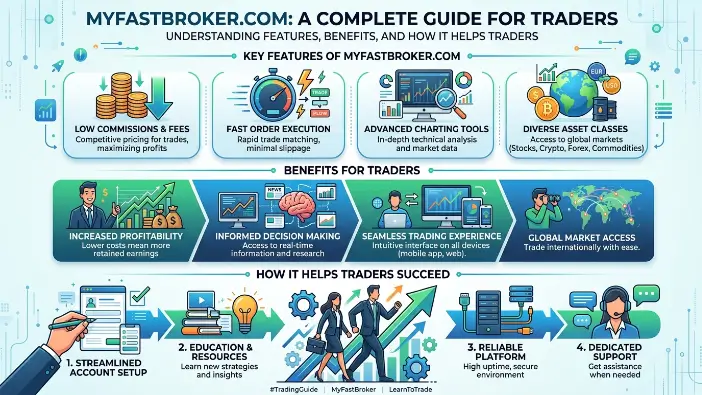
MyFastBroker.com is an online platform designed to provide information about brokers, financial markets, trading services, and investment-related topics. Rather than acting as a financial institution itself, the platform presents educational content and comparisons that can help users better understand the financial industry.
Many new investors find it difficult to choose among hundreds of online brokers. Every platform claims to offer the best services, lowest fees, and fastest execution. Comparing these options manually can take a significant amount of time.
MyFastBroker.com aims to simplify this process by gathering useful information in one place.
Its content may include:
- Broker comparisons
- Trading guides
- Investment education
- Financial market updates
- Trading platform reviews
- Beginner tutorials
- Risk management tips
- Market analysis
The goal is to help readers become more informed before making financial decisions.
Why Choosing the Right Broker Matters
Selecting the right broker is one of the most important decisions any trader can make.
A broker acts as the connection between investors and financial markets. Every trade you place goes through your broker.
A good broker offers:
- Reliable execution
- Transparent pricing
- Strong security
- User-friendly software
- Helpful customer support
A poor broker may create unnecessary problems through hidden fees, slow withdrawals, or limited trading tools.
This is why many traders spend time researching before opening an account.
Understanding Online Brokerage Services
Online brokerage services have transformed investing.
Years ago, people had to call financial institutions to place trades. Today, investors can buy or sell assets from smartphones, tablets, or computers within seconds.
Modern brokers provide access to various financial products including:
Stocks
Investors buy shares of publicly traded companies.
Forex
Currency trading remains one of the world’s largest financial markets, with trillions of dollars traded daily.
Cryptocurrencies
Digital assets continue attracting both beginners and experienced investors.
Commodities
Many brokers allow trading in:
- Gold
- Silver
- Oil
- Natural gas
- Agricultural products
Indices
Indices represent groups of companies, allowing investors to follow broader market performance.
Features That Users Often Look For
When comparing brokers through resources like myfastbroker.com, investors usually focus on several important factors.
Easy Account Opening
Many online brokers now allow account registration within minutes.
Simple verification processes improve the user experience while maintaining security requirements.
User-Friendly Trading Platform
An effective trading platform should be easy to navigate.
Useful features include:
- Clean dashboard
- Real-time prices
- Interactive charts
- Order management
- Portfolio tracking
- Mobile compatibility
Even beginners should feel comfortable using the software.
Educational Resources
Learning never stops in financial markets.
Good educational resources often include:
- Beginner guides
- Video tutorials
- Trading strategies
- Glossaries
- Webinars
- Market updates
Educational content helps reduce confusion for new traders.
Security Measures
Security remains one of the biggest priorities.
Modern financial platforms often implement:
- Secure login systems
- Data encryption
- Two-factor authentication
- Identity verification
These measures help protect user information.
Why Financial Education Matters
Many new investors focus only on profits.
Experienced traders understand that education is equally important.
Financial knowledge helps people:
- Understand market movements
- Reduce emotional decisions
- Recognize risks
- Build long-term strategies
- Improve confidence
Research consistently shows that educated investors tend to make more informed decisions than individuals relying solely on guesswork.
Common Financial Markets Explained
Understanding different markets allows investors to diversify their portfolios.
Stock Market
The stock market allows individuals to own small portions of companies.
Some investors buy shares for long-term growth, while others trade frequently.
Popular sectors include:
- Technology
- Healthcare
- Banking
- Energy
- Consumer goods
Forex Market
The foreign exchange market operates 24 hours a day during weekdays.
Currency pairs include:
- EUR/USD
- GBP/USD
- USD/JPY
- AUD/USD
Forex trading attracts millions of participants worldwide because of its high liquidity.
Cryptocurrency Market
Digital currencies continue expanding.
Examples include:
- Bitcoin
- Ethereum
- Solana
- Litecoin
Cryptocurrency markets operate around the clock, unlike many traditional exchanges.
However, prices can be highly volatile.
Commodity Trading
Commodity markets include physical resources such as:
- Gold
- Silver
- Copper
- Oil
- Wheat
Some investors use commodities to diversify investment portfolios.
Benefits of Using Information Platforms Like MyFastBroker.com
Instead of researching dozens of websites individually, users can often access organized information in one location.
Potential advantages include:
Time Savings
Research becomes faster when information is grouped together.
Better Comparisons
Users can compare:
- Fees
- Features
- Trading platforms
- Account types
- Educational resources
Learning Opportunities
Educational articles help beginners understand financial concepts.
Market Awareness
Reading about industry developments helps investors stay informed.
Factors to Consider Before Choosing a Broker
Every investor has different needs.
Before selecting any brokerage service, consider the following.
Regulation
Check whether the broker operates under recognized financial regulations.
Regulation often improves transparency and investor protection.
Trading Costs
Understand:
- Commissions
- Spreads
- Withdrawal fees
- Inactivity charges
Lower fees may improve long-term returns.
Available Markets
Not every broker offers access to every market.
Some specialize in:
- Stocks
Others focus on:
- Forex
- CFDs
- Cryptocurrencies
- Futures
Choose one that matches your investment goals.
Customer Support
Reliable support becomes valuable when technical or account issues arise.
Many traders prefer brokers offering:
- Live chat
- Email support
- Phone assistance
- Comprehensive help centers
Platform Performance
Slow software may affect trading efficiency.
Look for platforms with:
- Fast execution
- Stable performance
- Easy navigation
- Mobile applications
Risk Management Is Essential
Every financial investment carries risk.
Successful investors understand the importance of protecting their capital.
Basic risk management strategies include:
- Never investing money you cannot afford to lose
- Diversifying investments
- Setting realistic goals
- Avoiding emotional decisions
- Learning continuously
Professional traders often focus more on managing losses than chasing profits.
Tips for Beginners
If you’re new to investing, consider these practical suggestions.
Start Small
Beginning with smaller investments allows you to learn without taking unnecessary risks.
Learn Before Trading
Spend time understanding financial markets before making large investments.
Create a Plan
Avoid making random decisions.
Set clear investment goals.
Stay Patient
Building knowledge and experience takes time.
Successful investing is usually a long-term journey rather than a quick shortcut to wealth.